


Recycling plastic bottles to microfibre – how NAYAVITA eco towels are made
You often ask us how is it even possible to turn plastic bottles into beach towels. We hear things like ‘Plastic does not absorb water.’, ‘You cannot wipe yourself with a plastic bottle.’ and ‘Recycling bottles into microfiber costs energy, so how can you say it is eco-friendly?’. And there is more. That is why I decided to shed some light on the recycling process and answer some of your questions. So let’s have a look how recycling plastic bottles into microfibre beach towels works and why it is a good idea.
Plastic bottles absorb water.
That is, microfiber, which we get by upcycling PET bottles does. It’s interesting how incredible it seems to wipe ourselves into plastic bottles. At the same time, our closets are full of functional clothing, quick-drying towels and sports garments. It is all microfiber. The only difference is in the production method, i.e. whether the microfiber is new or upcycled like ours, weaving technique, and composition. Currently, up to 60% of textiles in the world are made of synthetic fibres and I would bet you have some at home.
Microfiber can absorb seven times its weight in water!
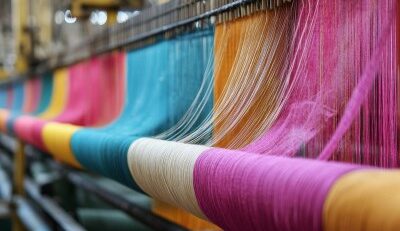
This is also determined by the weaving technique and composite microfibres. For instance, some of you might object that traditional quick-drying towels actually leave you wet. And you may right. It is due to the tight weaving into a thin flat textile, where water particles have no chance getting in between the fibres.
NAYAVITA eco towels are woven into a waffle texture.
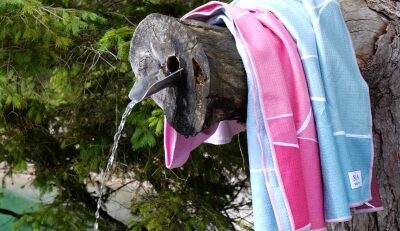
Some of you might recall that many tea towels have the same weave. This is because the waffle-like texture increases the absorbent surface and the 3D ‘craters’ literally suck water droplets from your wet skin. In addition, it makes our towels soft and beautiful to touch. Not to mention sand-free, unlike traditional cotton beach towels. Absorbency is also helped by our specific microfiber composition. It took us months of testing to get the right ratio of microfibres and the current composition of NAYAVITA eco towels has proven to be the best for us and you.
Recycling plastic bottles means we save energy and clean the planet at the same time.
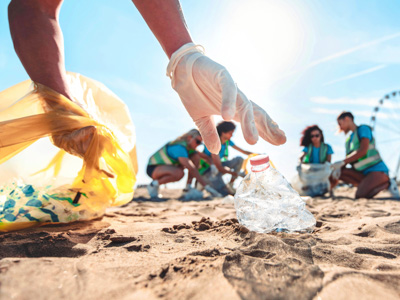
Recycling materials generally requires much less water, energy and other resources than manufacturing a product from new materials. It is no different when upcycling single-use plastic bottles to microfiber, i.e. turning PET to RPET. By upcycling plastic bottles, we save 88% of energy, gallons of water and a huge amount of non-renewable fossil fuels. On top of that, in NAYAVITA we use ocean-bound plastic bottles so we clean the environment from plastic waste when doing it.
But aren’t natural materials best?
It depends. Unlike natural materials, synthetic materials are usually wrinkle-free, dry faster and have a better elasticity and recovery. These benefits make it difficult for many to switch away 100% from synthetics. On the other hand, the production of new synthetics requires large amounts of non-renewable resources. And we have all heard about microplastic. Whilst waste-water filters to prevent microplastic from getting into the environment exist, they are not 100% effective and few use them.
Still, returning to 100% natural materials would mean a huge strain on our land and water use, which with today’s population is not feasible. The use of recycled synthetic materials is therefore the best solution in a less than ideal situation.
Recycling plastic bottles to create NAYAVITA eco towels

To produce our eco towels, we use ocean-bound plastic bottles. This way, we not only reduce the energy usage, but clean the planet in the process. As a basis for coloured printing, clear bottles have proven to be the best fit for us. Blue, green and coloured PET bottles are better for similarly coloured microfibre and popular in backpack, garment and shoe production. In order to protect the environment, achieve energy efficiency and retain the chemical structure of material, we use mechanical, as opposed to chemical recycling. The result are functional designer beach towels with a story.
Thank you for making a difference!



Comments (3)
There’s a certain magic in the way you make even the most abstract ideas feel personal and real.
Hi, it is great seeing the process behind those lovely towels. I am a huge fan of all sustainable businesses and wish you all the best.
This explanation effectively addresses common misconceptions about recycling plastic bottles into microfiber beach towels and sheds light on the process’s eco-friendliness. By clarifying that microfiber, derived from upcycled PET bottles, indeed absorbs water, the narrative challenges preconceived notions about the limitations of plastic in such applications. Furthermore, it draws parallels between microfiber products commonly found in everyday items like clothing and towels, emphasizing the prevalence and functionality of synthetic fibers in textiles. This elucidation underscores the viability and sustainability of recycling plastic bottles into microfiber, debunking concerns about energy consumption in the process and highlighting the broader benefits of repurposing waste materials into useful, eco-friendly products.