

New yoga trends: 8 yoga directions to watch in 2025
The world of yoga is constantly evolving, adapting to changes in society, individual needs, and health discoveries. In recent years, we have witnessed fresh trends in yoga that enrich the practice with innovative styles, modern approaches, and even new technologies. As a result, yoga is becoming accessible to a broader range of people who can now experience its benefits for body, mind, and spirit. Moreover, these new directions help break down long-standing myths about yoga that once discouraged many from trying this ancient discipline.
Yoga is not only exercise — it is a lifestyle. While traditional practice remains extremely popular, modern trends are drawing in those who may not otherwise be interested. Therefore, let’s take a look at 8 new yoga trends that are set to rise in popularity in 2025.
1. SUP yoga – yoga on water
One of the most exciting recent trends is SUP yoga, short for Stand Up Paddleboard yoga. This combination of traditional poses with movement on water allows you to enjoy yoga outdoors while meeting the challenge of balancing on an unstable surface. Practising on water not only improves balance and flexibility but also delivers a truly unique experience. If you love surfing or paddleboarding, or you simply want to expand your yoga journey, SUP yoga is definitely worth trying.

2. Hybrid classes – yoga meets other disciplines
Yoga is no longer limited to traditional asanas. We now see more hybrid classes that blend yoga with other movement disciplines. In a single session, you might enjoy the best of two worlds — from dance and Pilates to martial arts or functional training. This trend is perfect for those who want to build strength, improve flexibility, and try something fresh. For example, combining yoga with dance or Pilates brings more dynamism, while still maintaining yoga’s calm and balanced approach.
3. VR yoga – virtual reality for a deeper experience
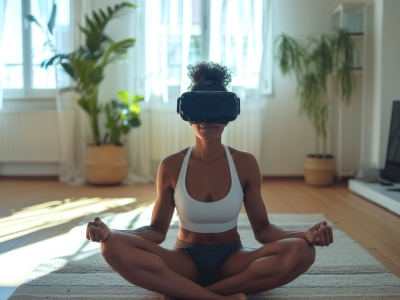
Virtual reality has entered the yoga space. With a VR headset, you can practise yoga on a tropical beach or in an exotic destination without leaving your living room. This trend makes meditation and relaxation more immersive. In addition, it offers access to international instructors through so-called VR yoga retreats, providing a retreat-like experience at home. Consequently, VR yoga makes retreats more affordable and personalised, allowing practitioners to deepen their practice anytime and anywhere.

4. AI and personalised yoga – tailored to you
The “one size fits all” approach is fading, and yoga is no exception. AI-powered yoga and personalised sessions are becoming more common. Apps and wearable devices can now track flexibility, posture, balance, and even emotions, and then adapt your practice accordingly. This trend is ideal for anyone who wants to train more efficiently and reach specific goals. Whether you’re a beginner or advanced practitioner, AI can guide you towards the most effective yoga routine for your needs.
5. Inclusivity in yoga – truly for everyone
Inclusivity and accessibility are now at the forefront. Many studios are offering chair yoga for seniors, postnatal yoga for mothers, or modified practices for people with limited mobility. For older adults who struggle with balance or traditional floor poses, chair yoga provides a safe and supportive alternative. Props such as blocks and straps also make poses more accessible. This movement demonstrates that yoga is genuinely for everyone — regardless of age, health, or fitness level.

6. Yoga Nidra – better sleep through yoga
Yoga Nidra, often called “yogic sleep,” is a practice of deep relaxation that helps release tension and improve sleep quality. In today’s fast-paced world, where insomnia and stress are common, Yoga Nidra offers powerful regeneration and rest. By calming both body and mind, it supports restorative sleep. Therefore, if you are looking for a natural way to manage stress and enjoy better nights, Yoga Nidra is an excellent solution.
7. Eco-yoga – sustainability first
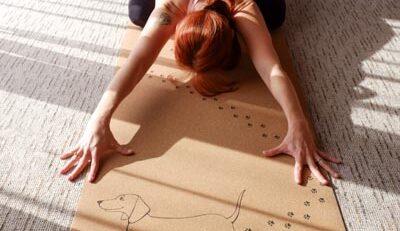
Yoga is about harmony — both internal and external. As awareness of sustainability grows, more practitioners and studios are embracing eco-yoga. This includes not only using eco-friendly mats and props made from recycled materials but also incorporating sustainability into every aspect of practice. From energy-efficient lighting and heating in studios to promoting sustainable apparel, this trend represents a holistic approach to environmental responsibility within the yoga community.
8. Meditation and mindfulness – mental health in focus
While mental wellbeing has always been part of yoga, recent years have brought stronger emphasis on mindfulness in yoga classes. Meditation, breathwork, and therapeutic yoga for conditions like PTSD, depression, or chronic stress are becoming standard. Moreover, many studios now offer workshops and retreats dedicated to mental health, combining yoga with group therapy, journaling, or art therapy. This trend highlights yoga’s role not only in physical health but also as a complementary tool for emotional and mental balance.
Conclusion – why new yoga trends matter
Yoga continues to evolve and respond to our needs. Recent trends reflect both technological innovations and social changes, making yoga more inclusive, engaging, and relevant than ever before. For yoga studios, these developments are an opportunity to stay up-to-date. For newcomers, they provide the perfect reason to finally take that first step and join a class.