


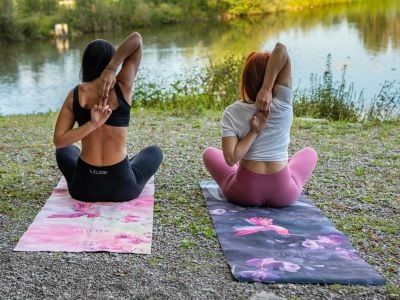
Yoga and biohacking for longevity: how to slow down ageing naturally
Ageing is a natural process — but what if there were ways to reduce its negative effects, both on a cellular and mental level? On one side stands yoga, an ancient practice of body, breath, and awareness. On the other, biohacking, a modern approach using data, experimentation, and optimisation. So what do yoga and biohacking have in common?
Although it might seem new, biohacking is essentially a rebranding of something humans have always done — optimising lifestyle, nutrition, sleep, and movement to enhance vitality and delay ageing. What’s different is the modern language and mindset. Terms like “discipline” or “vital hygiene” might sound outdated, but “biohacking” feels fresh, tech-inspired, and resonates with a younger generation. This creates an opportunity to bridge traditional yoga wisdom with modern wellness science.

1. What is biohacking and why is it linked to longevity
Biohacking can be described as the intentional optimisation of body, mind, and metabolism through small experiments, technology, and lifestyle choices. The goal isn’t just to live longer, but to live better.
Ageing is associated with reduced mitochondrial function, oxidative stress, chronic inflammation, and weakened cellular repair mechanisms. Modern biohacking methods target these processes through autophagy, hormetic stress, and epigenetic modulation. Yoga, in turn, offers a holistic system that supports similar outcomes — making it a natural ally in the pursuit of longevity.
2. How yoga supports longevity – key principles and mechanisms
-
Mitochondrial health and cellular energy: Gentle stretching and static postures in yoga stimulate circulation, oxygen exchange, and microcapillary flow — all of which nourish the mitochondria. Regular practice can counteract mitochondrial dysfunction, a hallmark of ageing.
-
Reducing oxidative stress and inflammation: Stress and inflammation accelerate ageing. Yoga, pranayama, and meditation lower cortisol levels, reduce oxidative stress, and enhance the body’s antioxidant capacity. This makes yoga a natural anti-inflammatory biohacking tool.
-
Autoregulation, repair, and hormesis: Many biohackers use controlled stressors such as cold exposure, fasting, or interval training. Yoga creates a similar hormetic effect by alternating tension and relaxation, stimulating repair at the cellular level. Regular practice also enhances vagal tone and parasympathetic activity — crucial for homeostasis and resilience.
-
Neuromuscular regulation and neuroplasticity: Yoga improves proprioception, balance, and coordination, strengthening the connection between muscles and the nervous system. This supports neuroplasticity — one of the main goals of brain longevity biohacking.
-
Cognitive benefits, stress, and sleep: The meditative aspects of yoga enhance deep rest, improve sleep quality, and reduce stress — directly impacting cognitive performance and long-term brain health.
You might also like: Yoga against aging – how yoga slows down skin aging naturally.
3. Practical strategies: integrating yoga into your biohacking routine
You don’t need to make big changes. Begin with simple daily rituals that combine mindful movement and recovery.
Morning sun breathing + gentle movement
- 5–10 minutes right after waking up
- Open a window and take a few deep breaths
- Try Nadi Shodhana or Bhramari pranayama
- Add light stretching to sync with your circadian rhythm
Breathing techniques (pranayama)
- Kapalabhati, Ujjayi, Bhramari, or Nadi Shodhana
- 5 minutes in the morning and 5 in the evening
- Support the parasympathetic system and calm the nerves
- Avoid during high blood pressure or acute stress
Vary your practice intensity
- Combine yin or restorative yoga with dynamic flows (Vinyasa, Ashtanga)
- Example: two days of recovery practice and one to two of active flow
Yoga nidra or guided relaxation
- 10–20 minutes before sleep
- Resets the nervous system and supports deep regeneration
Awareness and tracking
- Monitor energy, mood, and sleep using HRV or wellbeing apps
- Combine self-awareness from yoga with objective data
Micro-hormetic challenges
- End practice with a short cold shower or ice rub
- Hold poses longer (1–2 minutes) followed by full relaxation
- Trains adaptability and resilience
Restorative recovery
- Once a week, dedicate your entire practice to yin or restorative yoga
- Allows deep relaxation and cellular recovery — the cornerstone of longevity
4. How to combine yoga and biohacking
-
Intermittent fasting + yoga: Light yoga during fasting promotes autophagy and energy efficiency
-
Cold exposure + yoga: A brief cold shower after practice enhances mitochondrial adaptation.
-
Wearables + mindfulness: Track HRV, heart rate, and sleep to understand how yoga affects your metrics.
-
Sleep optimisation: Notice how relaxation and parasympathetic activation improve REM and deep sleep phases.
-
Nutrition and adaptogens: Pair your yoga routine with micronutrients like omega-3s, antioxidants, and adaptogens that support recovery and stress resilience.
5. The importance of individual approach
Biohacking is not a magic pill but an ongoing self-experiment. Everyone’s physiology is unique — what works for one person may not work for another. The key is to listen to your body and respect its limits. Always consult a professional before implementing new breathing, fasting, or cold-exposure techniques, especially if you have medical conditions.
Balance is everything. Avoid excessive optimisation at the expense of rest. True longevity comes not from extremes but from a balanced, sustainable lifestyle.

Final thoughts and a challenge for you
Yoga and biohacking aren’t opposites — they complement one another beautifully. Yoga brings awareness and emotional intelligence into the realm of optimisation, while biohacking adds structure, data, and scientific precision. Together, they form a bridge between ancient wisdom and modern innovation — helping us age gracefully, with strength and clarity.
Want to experience the benefits of yoga and biohacking yourself? Start small. Try just five minutes of gentle yoga and breathing each morning for one week. Observe how your energy, sleep, and mood change — and share your experience with us @nayavita_yoga.