


Yoga for beginners: how to start and what to know
Maybe you’ve been thinking about trying yoga for a while but still hesitate? At first glance, it can seem intimidating — so many poses, styles, and unfamiliar terms that it’s easy to feel lost. Add to that a few persistent myths (that yoga is slow, boring, or only for women), and no wonder many beginners feel uncertain.
The truth is much simpler. Yoga is for everyone — anyone who wants to improve their health, move their body, and find a moment of calm for themselves. In this guide, we’ll show you how to start practicing yoga step by step so your first experience feels smooth, motivating, and enjoyable.
What is yoga and why do it
Yoga is an ancient practice combining physical postures (asanas), breathing exercises (pranayama), and meditation. Originating in India, it has evolved into hundreds of styles — the most popular include Hatha Yoga and Vinyasa, as well as Yin Yoga, Ashtanga, Kundalini, and Hot Yoga.
Its main benefits include increased flexibility, stronger muscles, improved posture, better sleep, reduced stress, and a deeper sense of balance and inner peace. For more on this, see Yoga and 8 reasons to start today.

Taking the first step
Starting yoga isn’t about mastering advanced poses or owning the perfect mat — though research shows that a high-quality, visually appealing yoga mat can improve motivation and focus. The first and most important step is to understand why you want to practice.
Ask yourself: What do I want from yoga?
-
To relax and reduce stress? Try gentle styles like Hatha, Yin, or Restorative Yoga. These focus on slower movements, breathing, and inner calm — perfect for beginners.
-
To relieve back pain or improve mobility? Most yoga styles strengthen the core — essential for a healthy spine. Hatha or “Yoga for the Back” classes are ideal, and Yin Yoga helps release tension in overworked muscles.
-
To build strength and stamina? Go for dynamic styles such as Vinyasa Flow, Ashtanga, or Power Yoga. These link breath and movement while strengthening the whole body.
-
To find inner balance and mindfulness? Explore Restorative, Yin, or Kundalini Yoga — practices that calm the mind and deepen awareness rather than focusing on physical performance.
You may find that more than one motivation resonates — and that’s perfectly fine. Yoga adapts to you.
Yoga really is for everyone
Once you clarify your goals, it’s easier to choose a class, tempo, and teacher. Try different instructors and studios — each has a unique energy. Don’t get discouraged if your first class doesn’t feel perfect. Yoga is a journey, not a destination, and finding the right teacher or atmosphere is part of it.
You can explore different yoga styles in Main types of yoga – find your path to harmony and health.

What to bring to your first yoga class
While you can practice yoga at home with videos, attending a few in-person classes with a certified instructor is invaluable. A good teacher will guide you through correct alignment, safe variations, and breathing techniques — helping you build a strong foundation.
Pack only the essentials for your first session:
- Comfortable, flexible clothing
- A yoga mat (especially if hygiene or grip is important to you)
- A water bottle
- A small towel
- Optional props like a block, strap, or blanket for support
With this simple setup, you’ll be ready to move confidently and comfortably.
You might like to read: 4 key things to bring to a yoga class.
What to expect from your first yoga class
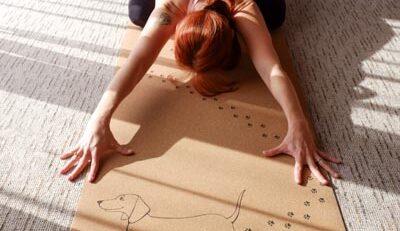
Most teachers begin by asking who is new to yoga, so they can tailor explanations and offer modifications. Classes usually start with breathing or grounding exercises, followed by gentle warm-ups and beginner-friendly postures like Cat–Cow, Child’s Pose, or Downward Dog.
A good instructor will always demonstrate both easier and more advanced versions of each pose, allowing everyone to practice safely. Classes often end with Savasana, the final relaxation, where body and mind integrate the benefits of the practice.
The key is to come with an open mind. Avoid comparing yourself to others and listen to your body — yoga is not a competition. The biggest challenge for beginners is often the ego: pushing too hard, holding the breath, or worrying about performance. Remember: progress in yoga happens through patience, not perfection.
How to make yoga a habit
Like any lifestyle change, consistency is more important than intensity. Instead of chasing perfection, commit to a regular routine.
- Enrol in a 10-class pass or set aside 3–6 months for steady practice.
- Fix specific days and times for your sessions.
- Track your progress with a simple journal — note how you feel after each class and what you’d like to improve.
Create a small ritual around your practice: light a candle, wear your favourite outfit, or roll out your mat mindfully. These signals help your brain shift from “daily routine” into “self-care mode.”
Over time, you’ll notice that yoga becomes part of your rhythm — a daily act of presence and calm.
Yoga for beginners – what to keep in mind
Yoga can support many health conditions — from back pain and posture issues to arthritis, stiff joints, stress, and insomnia. By gently strengthening and stretching the body, it benefits both physical and mental wellbeing.
However, yoga isn’t a substitute for medical treatment. If you have chronic health problems or injuries, always consult your doctor and inform your instructor before class. A trained teacher can then recommend safe modifications for each pose.
Every asana can be adapted — easier or more advanced — so you can always practice safely and effectively. Respecting your limits is what makes yoga healing, not harmful.
Yoga for beginners in conclusion
Every beginning feels uncertain, but that’s what makes it meaningful. Yoga for beginners isn’t about flexibility or perfection — it’s about consistency, awareness, and small steps.
Don’t wait for the “right moment.” Choose one short class today, roll out your mat, and take your first conscious breath. Your body — and mind — will thank you.