

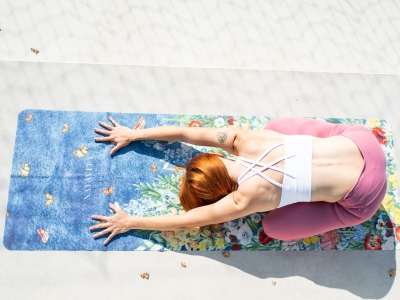
Balasana – regeneration in the child’s pose
There are many styles and approaches to yoga — from dynamic, physically demanding flows to gentle, meditative practices. Yet across all traditions, there are foundational poses that form the heart of yoga practice. Balasana, also known as the Child’s Pose, is one of them.
This simple, restorative posture helps the body stretch, release tension, and recover while guiding the mind back to breath and inner balance. It teaches us that stillness can be powerful — and that rest is an essential part of movement.

What is Balasana / Child’s pose?
The word Balasana comes from Sanskrit: bala means “child,” and asana means “pose.” The position resembles the shape of a fetus or a small child — curled, grounded, and safe. In yoga practice, it serves as a place to rest, reset, and reconnect with the breath.
Although it looks simple, Balasana carries profound healing potential. It gently releases physical tension while calming the mind. You can practice it at the start of a session to ground yourself, between more intense poses, or at the end of practice to relax and integrate.
Benefits of Balasana pozice dítěte
Balasana is more than a resting pose — it offers numerous physical and mental benefits. Yoga teachers, physiotherapists, and doctors alike recommend it as a gentle yet powerful technique for:
- Calming the nervous system – It activates the parasympathetic system (the “rest and digest” mode), reducing stress and anxiety.
- Releasing tension in the back, shoulders, and neck – The pose stretches the spine and surrounding muscles without strain.
- Supporting deep breathing – Gentle abdominal pressure encourages the breath to expand into the sides and back of the ribs.
- Relieving fatigue and headaches – The restful forward fold soothes the mind and helps reduce physical tension.
- Improving flexibility in hips, knees, and ankles – Regular practice gradually opens and softens these areas.
- Connecting body and mind – Like a meditative body scan, Balasana builds awareness, encourages mindfulness, and brings a sense of unity between physical and mental space.
At the same time, Balasana can serve as a “returning pose” — a safe place to rest whenever you need to pause during your yoga session.
Balasana step by step
The Child’s Pose is meant to be a simple, restorative position that supports stretching and regeneration. Try it this way:
-
Start in kneeling position. Sit back on your heels with the tops of your feet resting on the mat.
-
Adjust your knees. Keep them together for more support or separate them wide for more space.
-
Fold forward. Exhale and gently bring your torso toward the mat. Rest your forehead on the floor (or on a cushion if it doesn’t reach).
-
Position your arms. Extend them forward with palms down for a gentle stretch, or place them alongside your body, palms up, to relax your shoulders.
-
Close your eyes and breathe. Stay for several breaths or minutes, noticing the contact of your body with the ground and the natural rhythm of your breath.
-
Return slowly. With an inhale, rise up vertebra by vertebra back to kneeling.

What to watch out for
Balasana is generally very safe, but it’s important to listen to your body. Pay special attention to:
-
Knee discomfort: Place a blanket or cushion between thighs and calves for support.
-
Lower back tension: Try resting your torso on a bolster or folded blanket.
-
Neck position: Never push your head into the mat; let it rest gently and naturally.
-
Pregnancy: Keep knees wide apart and avoid pressure on the belly.
-
Pain: Child’s Pose should never be painful. Adjust, use props, or modify as needed.
Variations of child’s pose
The Child’s Pose can be adapted to different needs, proportions, and intentions. Here are some common variations:
-
Wide-Legged Balasana: Knees wide, big toes touching, torso sinking between the thighs. Great during pregnancy or for deeper hip release.
-
Supported Balasana: Place a bolster or cushion under your torso for a restorative, deeply comforting version.
-
Active Balasana: Extend arms forward and press palms into the mat to engage your shoulders and upper back.
-
Balasana with hands under the forehead: A soothing option to relieve tension in the neck and shoulders.
-
Balasana at the wall: Sit back to the wall, bring soles of your feet together, and fold forward — perfect for those who can’t kneel.
-
Standing Child’s Pose: Fold forward at the hips, place hands on a table or chair, and relax your head and neck while keeping the spine long.
The essence of Balasana
Balasana is not merely a resting posture — it is a place of return, a safe haven within your practice. It reminds us to slow down, breathe deeply, and reconnect with our inner stillness. Simplicity, when practiced with awareness, becomes profound.
Whether you are a complete beginner or an experienced yogi, Balasana is your sanctuary — a moment to pause, to rest, and to come home to yourself.