


Running and yoga: the perfect combination for strength, flexibility, and balance
Running is one of the most natural and popular forms of movement. All you need is a pair of shoes, and you can head out the door. It is accessible, effective, and excellent for both physical and mental health. However, like any dynamic sport, running also comes with its challenges. Whether you are a recreational jogger or preparing for a marathon, combining running and yoga can transform your performance and overall wellbeing. Yoga not only enhances flexibility but also accelerates recovery and helps to prevent common injuries.
The positive effects of running
Running is an outstanding way to build endurance, strength, and resilience. With regular practice, it strengthens the lower body, engages the core, and improves posture. Additionally, running burns calories, shapes the body, and promotes cardiovascular health.
Beyond the physical, running also benefits the mind. It reduces stress, boosts mood, and stimulates the release of endorphins, often called “runner’s high.”
💡 Tip: For running and other sports, a lightweight and absorbent functional sports towel is a handy accessory – it even fits in your pocket.

The challenges of running
Despite its many benefits, running can also create physical imbalances and injuries if not balanced with other practices. Some of the most common challenges include:
-
Joint strain – repetitive impact can cause knee and ankle pain, especially on hard surfaces.
-
Muscle imbalance – certain muscles, like hamstrings, may become overworked, while others weaken, affecting posture.
-
Reduced flexibility – runners often have tight calves, hamstrings, and hips.
-
Fatigue and overtraining – without proper recovery, performance decreases, and injury risk increases.
Why combine running and yoga?
Yoga directly addresses the areas that running tends to overwork. Just 15–20 minutes of yoga before or after a run can make a noticeable difference. Here’s how yoga benefits runners:
-
Improves flexibility – lengthens shortened muscles and increases joint mobility.
-
Strengthens the core – stabilises posture, enhances balance, and reduces injury risk.
-
Supports breathing – improves lung capacity and oxygen intake, crucial for endurance.
-
Speeds up recovery – gentle poses and mindful breathing release tension and promote muscle healing.
-
Builds mental resilience – focus and relaxation techniques help runners cope with physical and psychological challenges.
The best yoga poses for runners
Incorporating yoga into your running routine doesn’t need to be complicated. Here are some of the most effective yoga poses for runners:
-
Forward Fold – stretches the entire back of the body and calms the nervous system.

- Downward-Facing Dog – lengthens calves, hamstrings, and spine.
- Pigeon Pose – opens the hips and releases tension in the glutes.
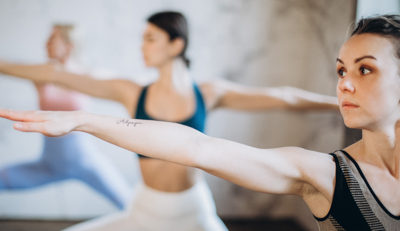
- Warrior I & II – strengthens legs, improves stability, and boosts stamina.
- Bridge Pose – activates the core and relieves tension in the lower back.
- Child’s Pose – restores energy, relaxes the back, and quiets the mind.

💡 Tip: A high-quality, eco-friendly yoga mat makes stretching and strengthening more effective and enjoyable.
Conclusion
Running and yoga are a perfect match. While running builds endurance and cardiovascular health, yoga provides the balance through flexibility, strength, and mindfulness. Combining the two helps you perform better, recover faster, and avoid injuries.
If you want to enjoy running long-term without pain, yoga is the key. Stretch before a run, unwind with yoga afterwards, and your body will thank you for years to come.