


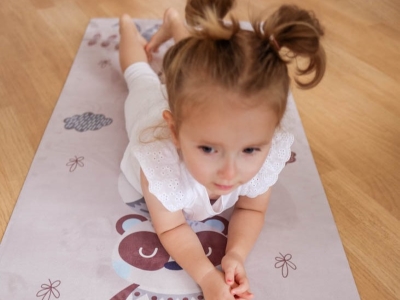
Yoga for kids – a playful path to movement and balance
Children are naturally curious, sensitive, and full of energy. Yoga for kids is not just a smaller version of adult yoga — it is a creative, imaginative, and age-appropriate way to guide children toward joy in movement and greater self-awareness. Yoga offers a safe and supportive space where kids can release energy, discover the strength of their bodies, and learn to listen — both to themselves and to the world around them.

Why is yoga good for kids?
Children go through intense physical, emotional, and cognitive development. Practicing yoga regularly can support this process in many ways. It helps to:
-
Improve flexibility, coordination, and balance
-
Support focus, attention, and a calm mind
-
Release tension and manage emotions
-
Build confidence and a positive body image
-
Develop empathy and respect for themselves and others
-
Cultivate a healthy relationship with movement and rest
What does yoga for kids look like?
Unlike traditional adult yoga, kids’ yoga focuses on play, imagination, and storytelling. Classes often unfold as fun adventures — perhaps a trip through the jungle, a dive under the sea, or a journey into the animal kingdom. Children become trees, cats, snakes, or flying birds. Each pose has a simple name and is introduced through playful movement and sound.
In addition to yoga poses, kids’ yoga sessions include breathing exercises, relaxation with music or stories, and sometimes creative activities like drawing or sound exploration, which help children stay engaged and mindful.
When can children start practicing yoga?
Yoga can begin at a very early age — from baby yoga and toddler playtime to school-age and teen practices. Each stage focuses on different developmental needs:
-
0–3 years: Parent-baby yoga focuses on gentle movement, touch, and bonding. It supports physical development and relaxation.
-
3–6 years: Playful animal poses, songs, and rhymes help children explore coordination and imagination.
-
6–10 years: Poses are held longer, breathing becomes more conscious, and simple relaxation is introduced.
-
10+ years: Older children learn emotional awareness, stress management, and deeper mindfulness practices.
Everyday benefits of yoga for kids
Regular practice of yoga for kids can help children manage daily stress from school, peer relationships, and busy schedules. It promotes better posture, quality sleep, and emotional balance. Studies show that children who practice yoga regularly tend to be more focused, empathetic, and able to express their emotions in a healthy way.
Tipy pro rodiče
-
Don’t force it. Let yoga be fun and voluntary — never a chore.
-
Practice together. Family yoga can become a beautiful bonding ritual.
-
Avoid judging performance. Every child is different — focus on joy and experience, not perfection.
-
Create a calm environment. Add soft music or a favorite toy to make the space feel safe.
-
Get them their own yoga mat. A personal mat builds a sense of ownership, comfort, and motivation.
Tip: Try NAYAVITA Yoga Mats for Kids — designed for our little yogis and yoginis, combining comfort, safety, and playful design.

Yoga for children is a lifelong gift — helping kids develop a healthy relationship with their bodies, emotions, and inner world. Whether your child is full of energy, needs to slow down, or simply loves to explore, yoga offers them a gentle, joyful path to balance and self-discovery.




Comment (1)
I agree with your details , wonderful post.
Comments are closed.